
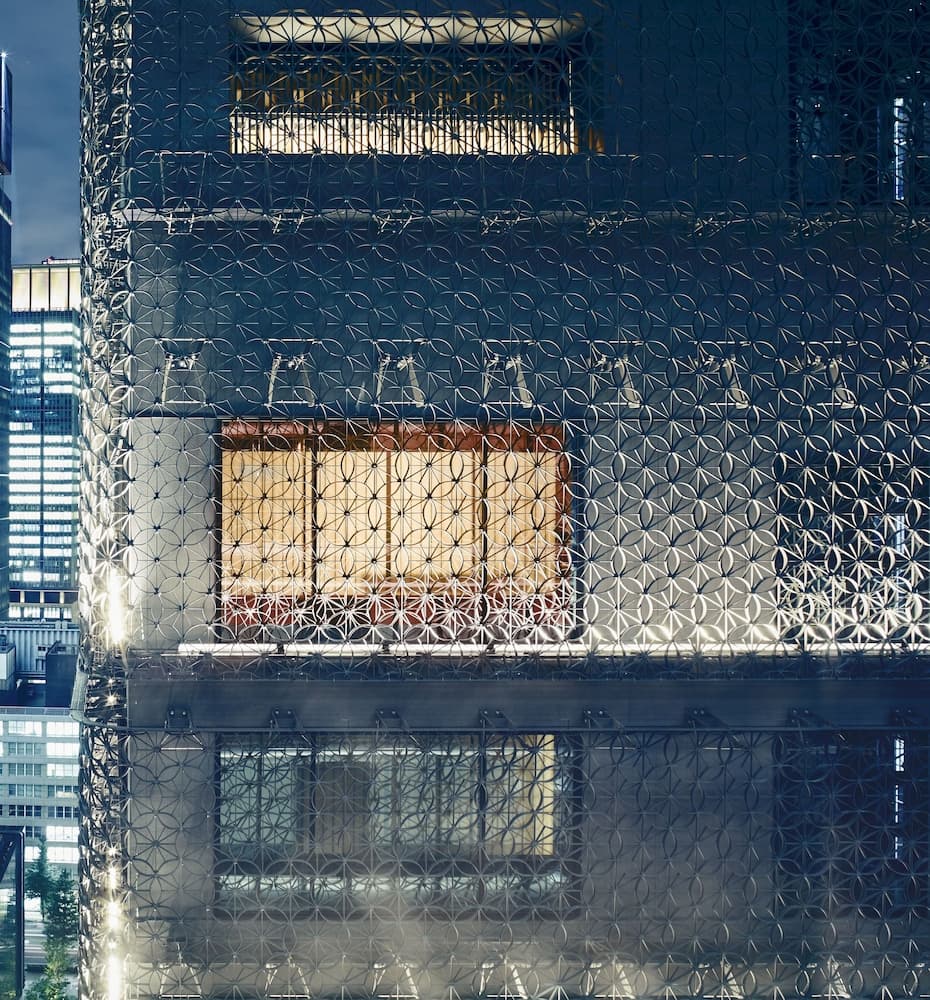

marunouchi
hoshinoya tokyo
A must-stay for travelers wanting an authentic Japanese experience without leaving the city.
typically
₹65kper night
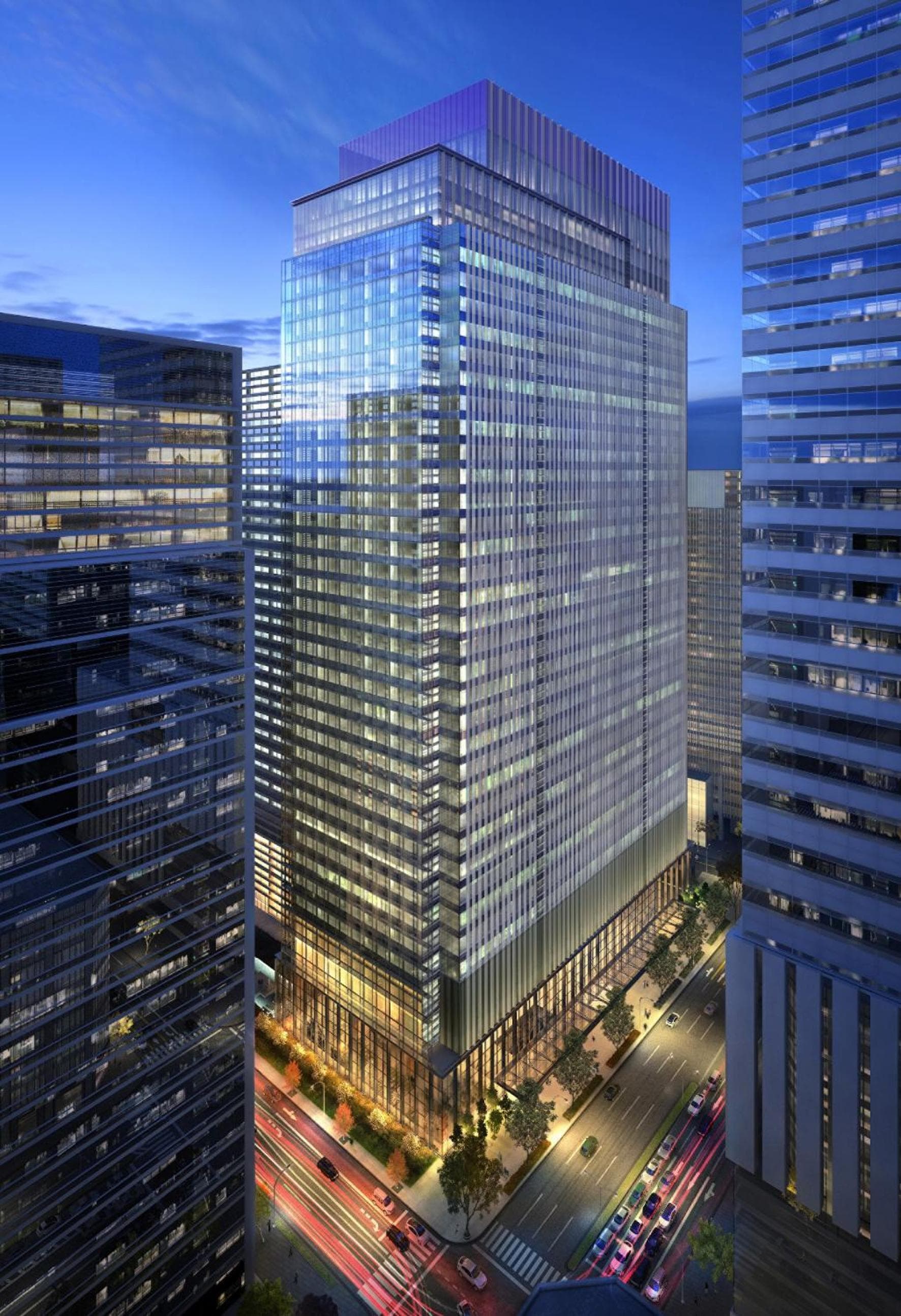
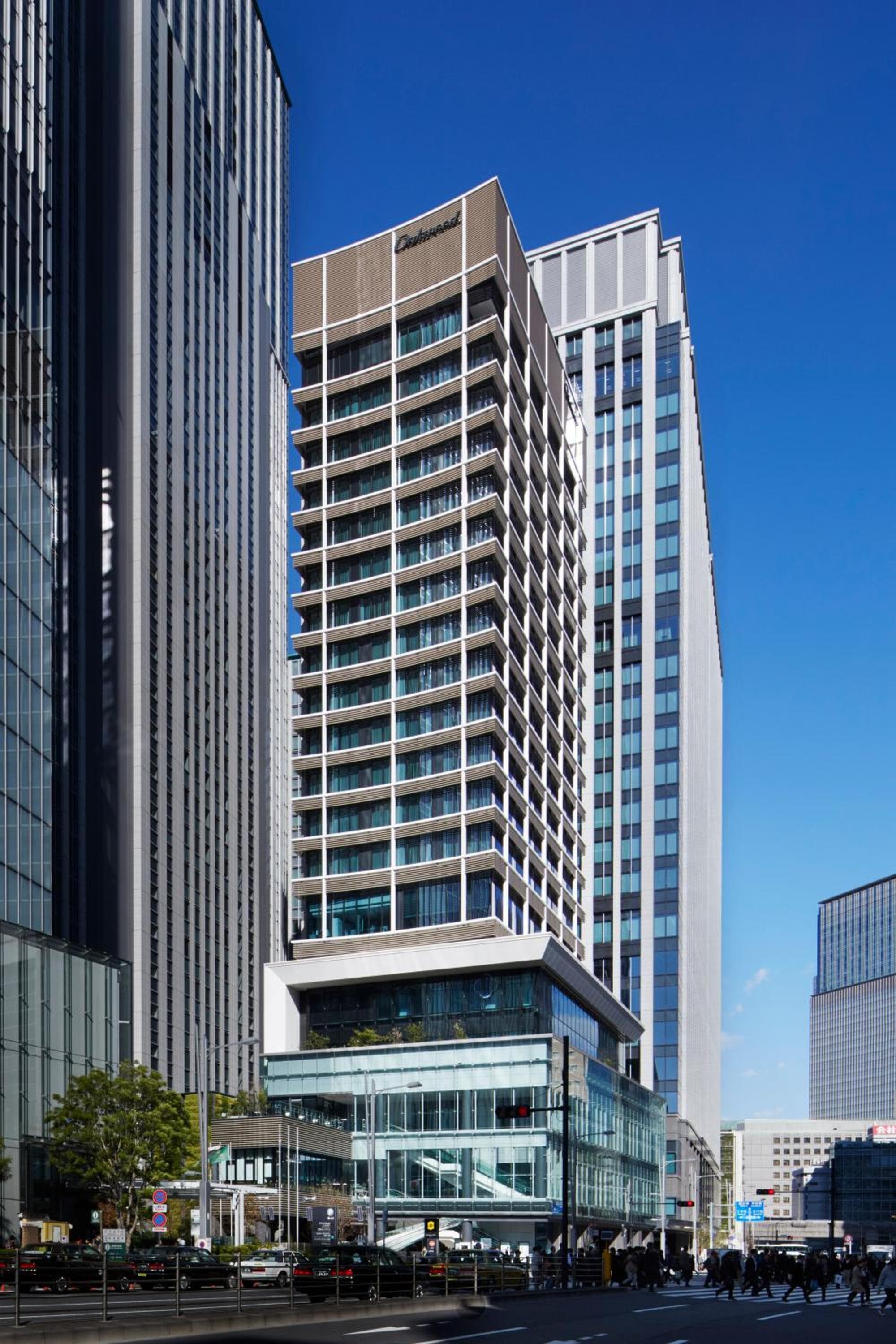
Marunouchi is the financial quarter that wraps the Imperial Palace and Tokyo Station — and it's where the city's ultra-luxury hotel cluster sits. Aman Tokyo on floors 33-38 of the Otemachi Tower (the lobby is a generationally-defining piece of design). Four Seasons Marunouchi inside the Tokyo Building. Shangri-La above Tokyo Station's Pacific Century Place. Mandarin Oriental atop Nihonbashi Mitsui Tower. Palace Hotel directly opposite the Imperial Palace gates. The Imperial Palace East Gardens (free, opens 9am, almost empty) is the morning ritual every Marunouchi guest builds their day around. The streets are quieter than Shinjuku at any hour, the architecture is contemporary, and the dining is restaurant-week serious.
the stays we’d put our own family in first.
marunouchi
A must-stay for travelers wanting an authentic Japanese experience without leaving the city.
typically
₹65kper night
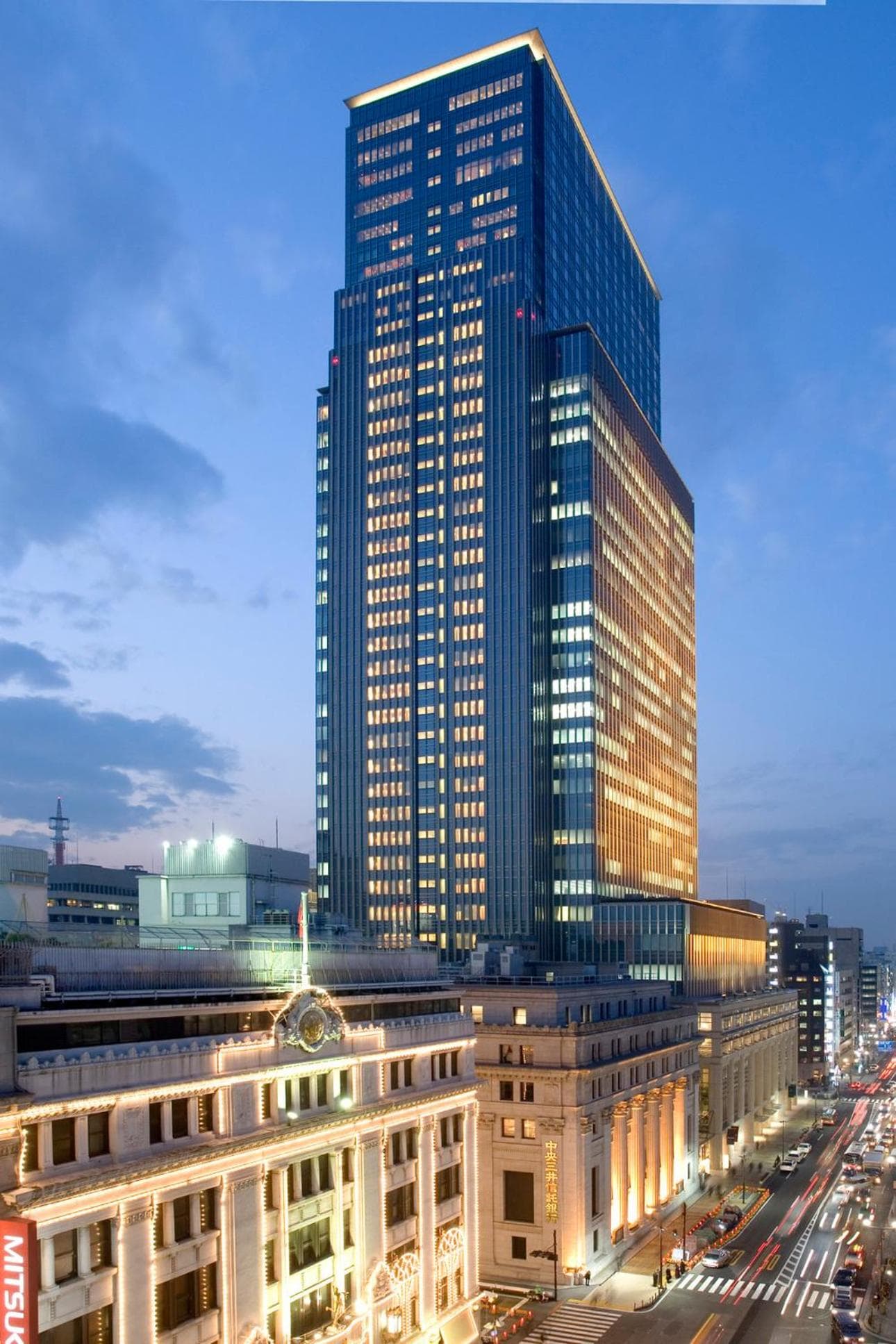
marunouchi
The definitive splurge for Tokyo.
typically
₹66.5kper night
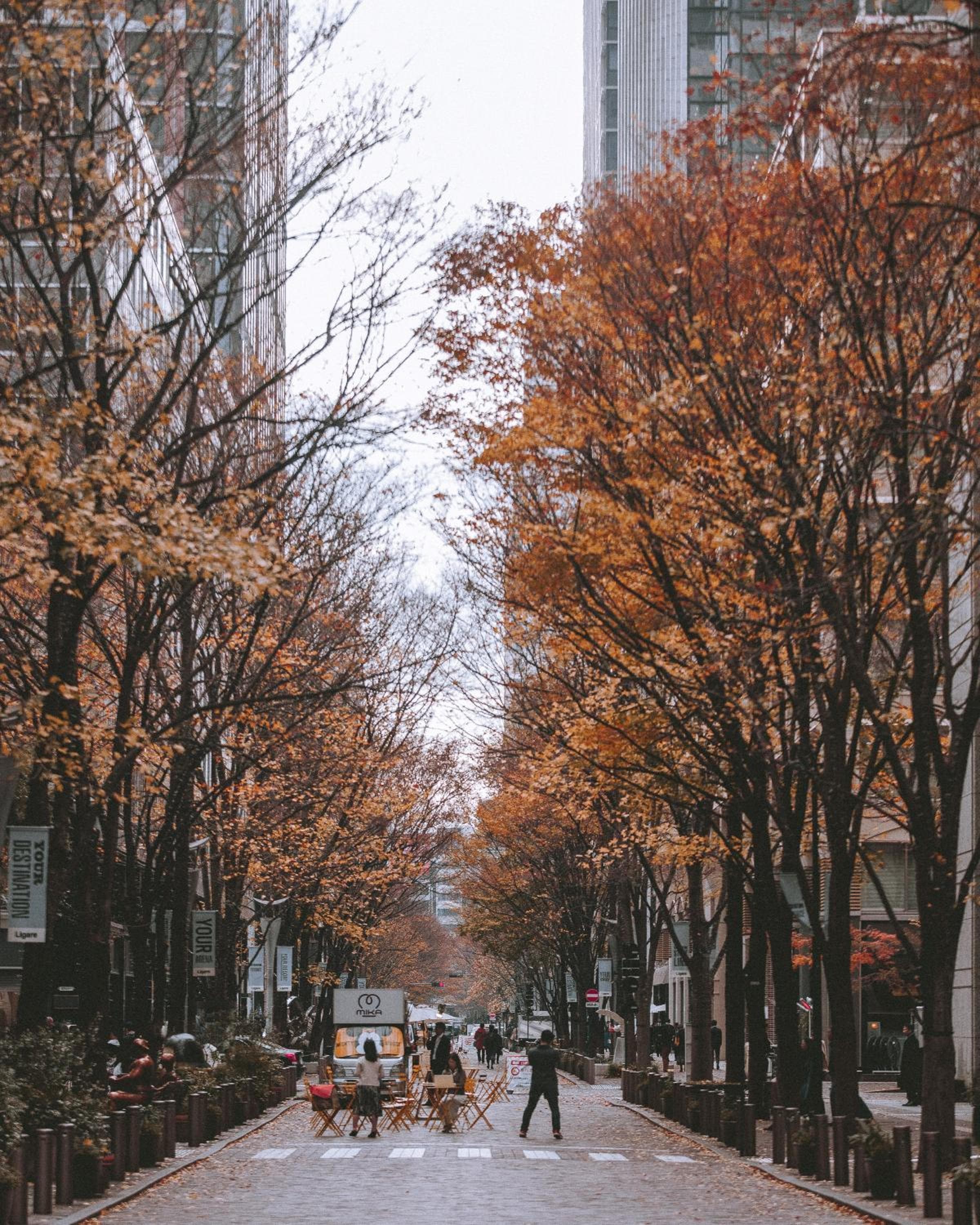
marunouchi
A top-tier choice for any Indian traveler prioritizing comfort and logistics.
typically
₹72kper night
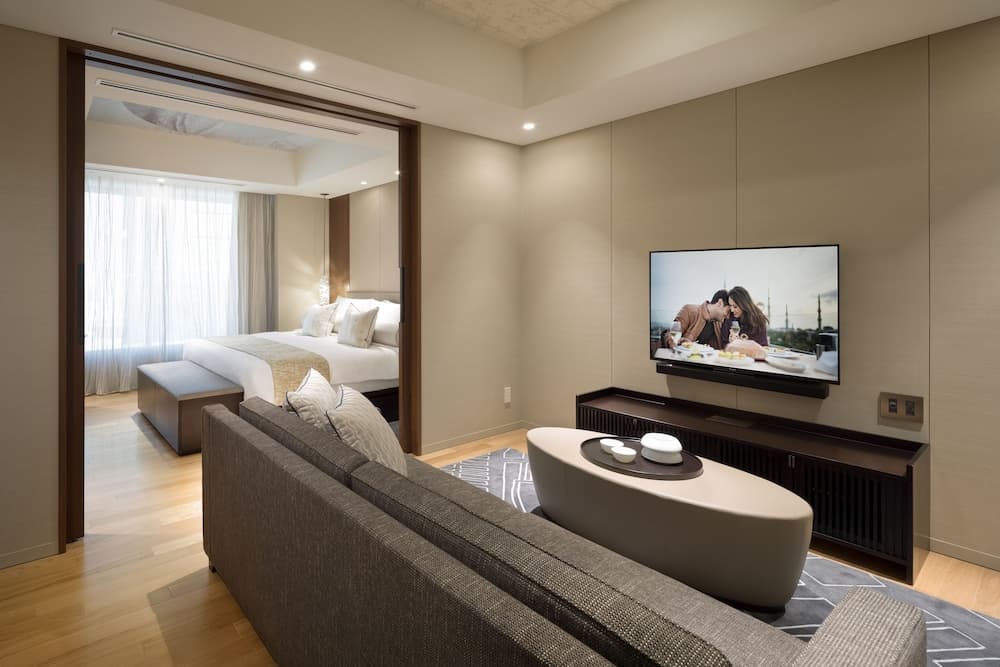

marunouchi
The gold standard for families or business travelers who value space and efficiency.
typically
₹30.5kper night
marunouchi
The definitive choice for a high-end Tokyo stay.
typically
₹92.5kper night
marunouchi
This is the smartest booking for families or those planning multiple Shinkansen trips.
typically
₹40.5kper night
the icons and the grand resorts
marunouchi
A must-stay for travelers wanting an authentic Japanese experience without leaving the city.
typically
₹65kper night
marunouchi
The definitive splurge for Tokyo.
typically
₹66.5kper night
marunouchi
A top-tier choice for any Indian traveler prioritizing comfort and logistics.
typically
₹72kper night
marunouchi
The definitive choice for a high-end Tokyo stay.
typically
₹92.5kper night
marunouchi
A top-tier choice for milestones and high-end business travel.
typically
₹1.4Lper night
marunouchi
This is the smartest booking for families or those planning multiple Shinkansen trips.
typically
₹40.5kper night
worth the trip — we’d build the holiday around it
marunouchi
A must-stay for travelers wanting an authentic Japanese experience without leaving the city.
typically
₹65kper night
marunouchi
The definitive splurge for Tokyo.
typically
₹66.5kper night
marunouchi
A top-tier choice for any Indian traveler prioritizing comfort and logistics.
typically
₹72kper night
marunouchi
The definitive choice for a high-end Tokyo stay.
typically
₹92.5kper night
marunouchi
A top-tier choice for milestones and high-end business travel.
typically
₹1.4Lper night
quiet floors, a cot that actually arrives, and a kitchen for the bottles.
marunouchi
The definitive splurge for Tokyo.
typically
₹66.5kper night
marunouchi
A top-tier choice for any Indian traveler prioritizing comfort and logistics.
typically
₹72kper night
marunouchi
The definitive choice for a high-end Tokyo stay.
typically
₹92.5kper night
marunouchi
The gold standard for families or business travelers who value space and efficiency.
typically
₹30.5kper night
marunouchi
This is the smartest booking for families or those planning multiple Shinkansen trips.
typically
₹40.5kper night
Marunouchi is the city's discreet luxury answer.
The luxury hotel cluster wraps the Imperial Palace from the south (Palace Hotel directly opposite the gates), east (Mandarin Oriental atop Nihonbashi Mitsui Tower), south-east (Shangri-La above Tokyo Station, Four Seasons Marunouchi inside the Tokyo Building), and north-east (Aman Tokyo at Otemachi Tower). All five are within a 12-minute walk of each other and of the palace gates. The architecture leans clean-modern Japanese — granite, dark wood, low light, generous space — distinct from the warmer European-luxury feel of the Imperial Hotel a few blocks south.
The Imperial Palace East Gardens are the headline neighbourhood feature. Free, open 9am to 3pm-4pm depending on the season, almost never crowded. Walking the gardens before breakfast is a Marunouchi-stay tradition — particularly stunning during cherry blossom (early April) and koyo (late November). The palace itself is closed except 2 days/year (Jan 2 and the Emperor's birthday); guests don't need to enter the palace to enjoy the area.
Dining is restaurant-week serious. Multiple Two and Three-Michelin sushi counters (Ginza-Onodera Honten, Sukiyabashi Jiro Honten on the Ginza side a 10-min walk away), Kagurazaka kaiseki houses, the Aman's Musashi-by-Aman sushi room, the Four Seasons MOTIF restaurant, the Mandarin's 38th-floor Sense (Cantonese) and Tapas Molecular Bar. For travellers wanting to do "the food trip" at peak Tokyo level, Marunouchi is the doorstep.
Shopping is more polished than Ginza's flagship-brand density — Marunouchi's street-level retail is a curated mix of Japanese designers (Pleats Please, Comme des Garçons), boutique chocolatiers, the Marunouchi Naka-dori European-style avenue, and Mitsubishi Ichigokan museum and gardens. Ginza, the larger shopping district, is 8 minutes on foot or one Metro stop away.
The trade-off: Marunouchi is adult-quiet. Streets close at 8pm outside the hotels; the area lacks the 24-hour energy of Shinjuku or Shibuya. For couples, multi-gen with elderly parents, and repeat visitors who want depth over density, this is right. For families with energetic teenagers wanting nightlife, route to Neon Tokyo instead.